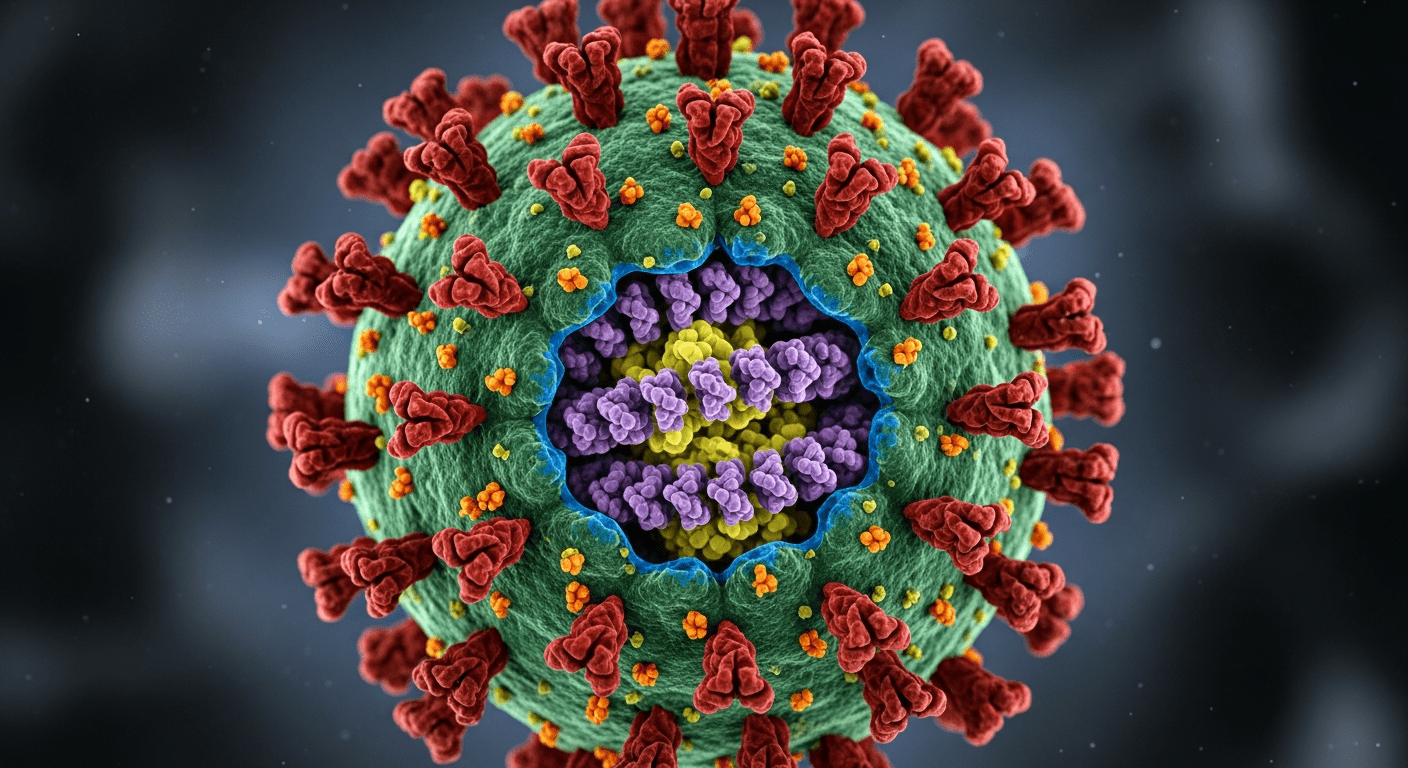
The Nipah virus has become a growing health concern, especially in India. Many people ask, “what is Nipah virus?” Simply put, it is a dangerous virus that spreads from animals to humans and can also pass between people. While rare, the infection can be deadly if not treated promptly. With the Nipah virus outbreak 2025 making headlines, it is vital to understand its symptoms, treatment options, and preventive measures. In this article, we will cover all aspects of the virus, including the latest Nipah virus news, the Kerala Nipah virus outbreak, and efforts to develop a Nipah virus vaccine.
What is Nipah Virus?
The Nipah virus is a zoonotic virus, meaning it spreads from animals to humans. It was first identified in Malaysia and has since appeared in India. The virus mainly spreads through bats, pigs, or contaminated food. Human-to-human transmission is possible, which makes outbreaks dangerous. Nipah virus in India has caused concern, especially in Kerala, where previous outbreaks were reported. Understanding what is the Nipah virus is the first step in preventing infections.
Nipah Virus Symptoms
Recognizing the symptoms of Nipah virus early is critical. Common signs include fever, headache, drowsiness, cough, vomiting, and in severe cases, confusion or seizures. Symptoms usually appear 4 to 14 days after exposure. If untreated, Nipah virus symptoms can progress rapidly, leading to respiratory problems or encephalitis, which is swelling of the brain. Knowing these signs helps families seek medical care promptly.
Nipah Virus Outbreaks in India
India has faced several Nipah virus outbreaks, mainly in Kerala. The Kerala Nipah virus outbreak in 2018 was serious, and there are reports of a Nipah virus outbreak India 2025. Authorities track cases carefully using a Nipah virus map to identify high-risk areas. Public health campaigns focus on early detection and isolation to prevent the spread of the virus.
Kerala Nipah Virus Cases
Kerala has been the epicenter of several Kerala Nipah virus incidents. Its dense population and close human-animal interaction make it vulnerable. Hospitals in Kerala now follow strict protocols to manage suspected Nipah virus India 2025 cases. Local awareness campaigns educate residents on Nipah virus prevention, including avoiding fruit bats and unprocessed palm sap.
How Nipah Virus Spreads
The virus spreads through direct contact with infected animals, their secretions, or contaminated food. It can also pass between humans through saliva, urine, or respiratory droplets. People living near bat habitats or consuming raw date palm sap are at higher risk. Understanding how Nipah virus spreads is key to preventing future outbreaks.
Nipah Virus Treatment
Currently, there is no specific cure for Nipah virus treatment. Medical care focuses on supportive therapy, including hydration, breathing support, and antiviral medications if necessary. Hospitals isolate patients to prevent further transmission. Researchers are actively working on a Nipah virus vaccine, which may become available in the coming years.
Nipah Virus Prevention Tips
Preventing infection is crucial. Follow these tips:
- Avoid direct contact with bats or sick animals.
- Do not consume raw date palm sap.
- Maintain hygiene and wash hands frequently.
- Wear masks if caring for infected patients.
- Follow updates from local health authorities.
Nipah virus prevention measures are simple but highly effective in stopping outbreaks.
Nipah Virus 2025 Updates
The latest Nipah virus news shows emerging cases in India, with Kerala remaining a high-alert state. Health departments are using a Nipah virus map to track infections. Regular updates on Nipah virus India 2025 help communities stay informed and prepared.
Nipah Virus Vaccine Progress
Scientists are developing a Nipah virus vaccine, but it is not yet widely available. Trials are ongoing, and authorities hope a vaccine will help control future outbreaks. Vaccination, combined with preventive practices, will reduce the impact of India Nipah virus cases in the long term.
FAQs About Nipah Virus
1. What is Nipah virus?
Nipah virus is a deadly virus that spreads from animals to humans, causing fever, headache, and in severe cases, brain inflammation.
2. What are the symptoms of Nipah virus?
Common symptoms include fever, headache, cough, vomiting, drowsiness, and confusion. Severe cases may lead to respiratory failure.
3. Is there a treatment for Nipah virus?
No specific cure exists. Supportive care is given, including hydration, antiviral therapy, and respiratory support.
4. How does Nipah virus spread?
It spreads via bats, pigs, contaminated food, or close contact with infected people.
5. Where has Nipah virus appeared in India?
Kerala is the main hotspot. Other states monitor outbreaks closely using tracking maps.
6. Can Nipah virus be prevented?
Yes, by avoiding bats, not drinking raw sap, maintaining hygiene, and following public health guidelines.
Conclusion
The Nipah virus remains a serious health concern, especially in India. Awareness of Nipah virus symptoms, treatment options, preventive tips, and the latest Nipah virus news can save lives. Following guidelines, using safety measures, and supporting research for a Nipah virus vaccine are essential. Stay informed, stay safe, and help stop the spread of this dangerous virus.