Table of Contents
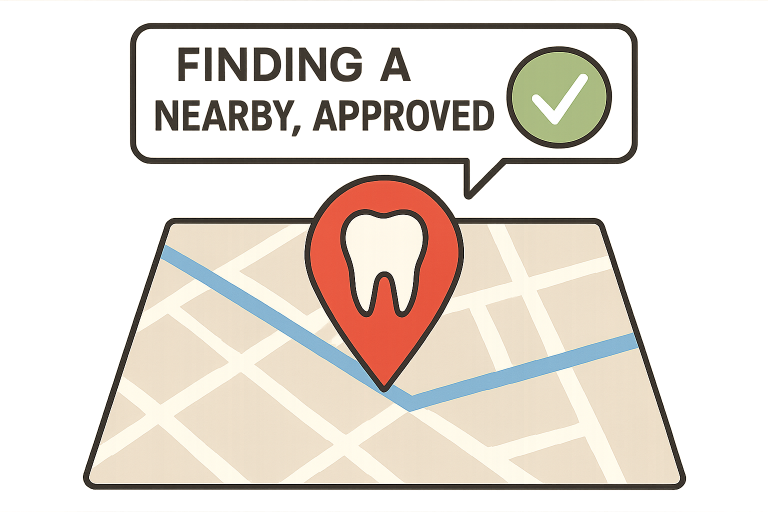
Maintaining your dental health is vital to your overall well-being. Picking a dentist within your insurance network not only helps you save money but also makes every visit easier on your wallet. If you find yourself asking where to start, the good news is that there are streamlined ways to find a dentist that is in your network without confusion or stress. Whether you are new to an area or just seeking better care options, being proactive can simplify the process.
Partnering with an in-network dentist means fewer financial surprises, easier scheduling, and greater peace of mind each time you need dental care. Insurers negotiate preferred rates, passing on these savings directly to you. With more Americans focused on affordable health solutions, it pays to make a well-informed choice early and stick with it for ongoing benefits.
Understanding your insurance options and the resources available can be overwhelming at first. Still, with just a few clicks or a quick phone call, you can access comprehensive lists of qualified providers near you. This digital age of healthcare empowers patients to be more informed and proactive than ever before.
It is also essential to do your homework before making your first appointment. Checking the dentist’s credentials, reading online reviews, and considering the location’s convenience are just a few factors to keep in mind as you narrow down your options. Utilizing available online directories or reaching out directly to your insurance provider are both practical starting points. For more tips on keeping your mouth healthy, the American Dental Association’s resources can be helpful to explore.
Why Choose an In-Network Dentist?
Choosing an in-network dentist is not just about saving money, though that is a significant benefit. In-network providers have agreements with your insurance company to offer dental care at reduced rates, lowering both your billed charges and your out-of-pocket expenses. According to research highlighted by Healthline, patients who consistently use in-network dentists report fewer billing issues and can access a broader range of covered treatments than those who use out-of-network dentists.
Besides the cost savings, in-network dentists have already met the credentialing standards set forth by your insurance provider. This oversight ensures a higher baseline quality of care. When issues like claims or coverage questions arise, solutions are streamlined and easier to address.
Steps to Find an In-Network Dentist
- Check Your Insurance Provider’s Website: Nearly every dental insurer offers an online directory searchable by ZIP code, specialty, and dental plan type. These databases are regularly updated and allow you to filter dentists by distance, language spoken, and other criteria relevant to your situation. For example, Humana’s Find a Dentist tool is highly user-friendly for this purpose.
- Contact Customer Service: If online searches feel overwhelming or if you do not find what you need, speaking to a live customer service representative can save time. Representatives can provide distinct recommendations, confirm participation status, and even assist with booking your first appointment.
- Use Third-Party Platforms: Websites such as Opencare offer curated listings of top-rated, in-network dentists with verified patient reviews. These platforms are excellent for quick comparisons and often let you book appointments online, further streamlining your search.
Utilizing State Resources
Many states provide additional support to help residents find dental care providers, ensuring access to essential oral health services. For instance, the Texas Department of State Health Services maintains resources and state-sponsored directories that make it easier for families and underserved communities to find dental professionals. These listings often highlight providers who accept public insurance programs, offer sliding-scale or discounted fees, and serve populations with unique needs. Such state-level tools are particularly valuable for individuals with specialized coverage, limited financial resources, or difficulty navigating private insurance networks, helping them access care efficiently and maintain consistent dental health without unnecessary barriers.
Considerations When Choosing a Dentist
- Location: Proximity is crucial, especially for routine care or dental emergencies. Choose a practice near your home, school, or workplace to ensure visiting remains convenient over time.
- Specialties: Not all practices offer the same services. If you need pediatric care, braces, or oral surgery, make sure your chosen provider offers the required expertise within the network.
- Reviews: Today’s digital landscape allows you to evaluate dental practices based on verified patient reviews. Sites like Healthgrades and Google Maps can give you a sense of the patient experience and quality of care you can expect.
Benefits of Regular Dental Visits
Routine dental visits offer far more than just a thorough teeth cleaning; they are a crucial step in preventing serious oral health problems. Regular checkups help identify and address cavities, gum disease, and early signs of oral cancer before they become severe. Maintaining consistent appointments also contributes to overall health, as research shows that oral conditions can be linked to systemic conditions such as heart disease and diabetes. The Centers for Disease Control and Prevention (CDC) emphasizes that frequent dental visits enable early detection of health problems beyond tooth decay, making preventive dental care a vital component of long-term wellness. Prioritizing these visits ensures both a healthy smile and stronger overall health.
Conclusion
Investing time in finding an in-network dentist is one of the smartest steps you can take for both your health and your finances. Start by consulting your insurance provider’s directory to see which dentists accept your plan, and supplement this with state or local dental board resources to verify credentials and specialties. Patient reviews and testimonials can also offer valuable insight into the quality of care and office experience. By taking these steps, you ensure access to professional, affordable dental services while avoiding unexpected costs. Prioritizing research and planning makes dental care simple, stress-free, and allows you to maintain excellent oral health for years ahead confidently.