Key Takeaways
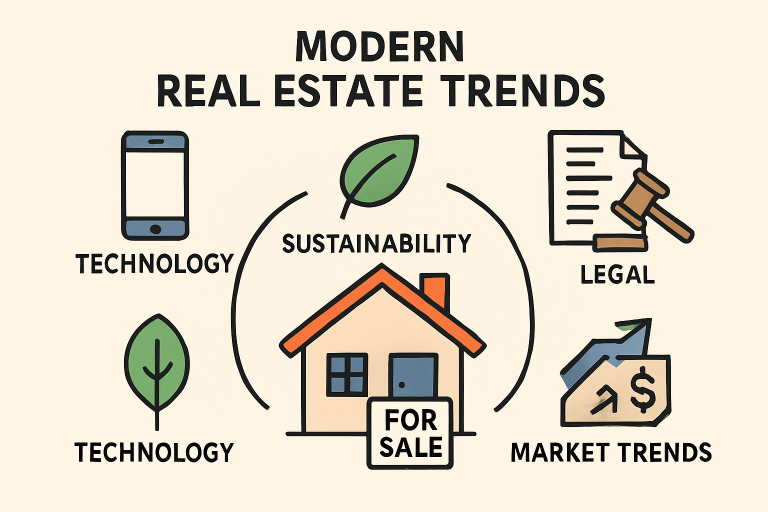
- Market Dynamics: Ongoing shifts are affecting how buyers and sellers negotiate, set prices, and approach transactions.
- Technological Integration: AI tools and smart home features are becoming baseline expectations among today’s buyers.
- Sustainability Focus: Demand for eco-friendly features continues to rise, impacting buying behavior and property values.
- Regulatory Changes: Recent legal adjustments are influencing agent commissions and short-term rental strategies.
The real estate market is experiencing rapid change, with new opportunities and challenges shaping how buyers and sellers approach their biggest transactions. Economic factors, evolving technologies, and shifting consumer values all play a part in this dynamic environment. For anyone looking to navigate today’s markets, staying ahead of these trends is essential to making successful real estate decisions. Whether you are considering purchasing your first home or thinking about selling your property, understanding recent developments with guidance from South Miami real estate experts Team Citron can help you achieve your goals.
From buyer-seller dynamics to regulatory reforms, the current landscape is more nuanced than ever before. Factors such as affordability, technological integration, and sustainability now play larger roles in shaping buyer preferences and property values. Sellers are increasingly aware that adapting to these trends can make the difference between a quick, profitable transaction and a prolonged market experience. The information below uncovers what is driving the most significant changes and how you can take advantage of the current real estate atmosphere to your benefit.
Shifting Market Dynamics
Data published in June 2025 highlights a notable swing towards a buyer-friendly market. With nearly half a million more home sellers than buyers, inventory has reached levels that give buyers not just variety, but also significant negotiating leverage. This surplus benefits those seeking new homes, but the underlying challenge remains that home prices and interest rates are historically high, making affordability the top concern for most buyers. In response, sellers have become more common to offer concessions, ranging from closing-cost assistance to rate buydowns, especially in competitive markets such as Seattle, where over 71% of sellers offer incentives to close the deal.
Technological Integration in Home Buying
Artificial Intelligence is ushering in a smarter approach to real estate, influencing not just how buyers search for homes, but also how listings are curated and presented. Platforms are now leveraging AI to suggest homes that fit buyers’ lifestyles, with factors such as commute times, neighborhood amenities, and personal preferences factoring into property recommendations. As AI-driven solutions become the norm, sellers must focus on optimizing their listings with high-quality photographs, virtual tours, and detailed features to ensure visibility in this new digital marketplace. For both buyers and sellers, understanding these platforms is invaluable to making informed decisions.
Emphasis on Sustainability
Sustainability is transforming what buyers look for in a home. Features such as energy-efficient appliances, superior insulation, and renewable energy solutions like solar panels are increasingly moving from a luxury wish-list to expected standards. This shift reflects broader environmental awareness, yet it also offers clear economic benefits. Properties with green certifications or significant reductions in energy use tend to command higher prices and attract discerning buyers. For sellers, strategic investment in sustainable upgrades not only makes a home more marketable but can lead to higher returns at sale.
Regulatory Changes Affecting Transactions
Major legal reforms are altering the real estate landscape, most notably the National Association of Realtors’ $418 million settlement regarding commission practices. This settlement eliminates mandatory preset commission offers, making fee negotiations more transparent and potentially lowering overall transaction costs. At the same time, municipalities are enacting stricter guidelines around short-term rentals to mitigate negative impacts on local neighborhoods. These laws impact investors and homeowners alike, requiring careful attention to evolving local and federal regulations.
Demographic Shifts in Buyer Profiles
Millennials and Generation Z buyers are taking center stage in the market, bringing distinct preferences and expectations. They tend to value smart home technology, flexible layouts supporting remote work, and eco-conscious design elements over traditional selling points. This new wave of buyers is highly informed, digitally savvy, and motivated by a desire for both convenience and sustainability. For sellers, appealing to these buyers means emphasizing modern upgrades and flexible spaces in both marketing and staging efforts.
Impact of Mortgage Rate Volatility
Interest rates continue to play a critical role in real estate activities. Even a small percentage change in mortgage rates can create big shifts in buyer activity, affecting affordability calculations and monthly payment commitments. Buyers today need to closely monitor rate trends and be ready to act quickly during favorable market conditions. Sellers should recognize how rate changes impact buyer demand and be flexible with pricing or incentives to maintain a competitive edge.
Rise of Mixed-Use Developments
Interest in mixed-use developments is soaring, especially among younger buyers and families who seek vibrant, walkable communities. These projects blend residential, retail, and recreational amenities in a single locale, providing both convenience and a sense of engagement with neighbors and local businesses. This trend signals a move away from traditional suburban development and affirms the growing importance of accessible, connected urban living.
Conclusion
Staying ahead in the real estate market requires an understanding of the multilayered factors driving change, from shifting demographics and tech advances to regulation and sustainability trends. By tracking these developments and aligning strategies accordingly, buyers and sellers can maximize their opportunities for success. Adapting to the latest market realities, leveraging technology, and responding to new expectations will be critical drivers of positive results. For expert guidance tailored to your needs, working with seasoned professionals remains invaluable for making confident, rewarding real estate decisions.