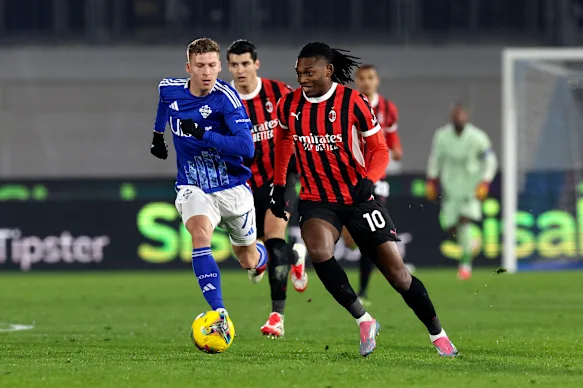
In the 2023/2024 Serie A season, dead-ball defense has become a reliable predictor of underperformance. Teams that systematically concede from corners and free kicks reveal more than poor luck — they expose repeatable weaknesses in structure, marking, or line coordination. These vulnerabilities create actionable betting edges, where opposing selections in method-based or situational markets hold consistent value.
Why Set-Piece Defense Reflects Structural Instability
Goals from restarts rarely depend on brilliance; they result from discipline failures. Over months of fixtures, set-piece weaknesses mirror deeper tactical problems: poor aerial dueling, disorganized zonal coverage, or miscommunication on second balls. For analytical bettors, these recurring patterns signify mechanical errors rather than randomness. When a team concedes repeatedly in identical zones, pre-match probabilities lean toward exploitation rather than coincidence.
Serie A 2023/2024: Teams with the Greatest Set-Piece Drop-Off
Current-season data by March 2024 identifies key offenders across Serie A:
| Team | Set-Piece Goals Conceded | League Rank | xG Against from Dead Balls | Primary Weakness |
| Salernitana | 14 | 20th | 10.9 | Poor clearing structure, zonal confusion |
| Empoli | 12 | 18th | 9.7 | Tracking lapses in man coverage |
| Frosinone | 11 | 16th | 8.5 | Undersized central pairing |
| Cagliari | 10 | 17th | 7.9 | Static second-phase reaction |
| Verona | 9 | 15th | 8.4 | Weak at back-post aerials |
While exact figures shift weekly, the relationship remains consistent: these clubs concede 25–35% of total goals from set plays, doubling the league mean. Structural predictability gives bettors measurable entry points for “goal method” or “first team to score” markets.
Factors Driving Repeated Set-Piece Failures
Defensive frailty under set pieces originates from three repeatable causes:
- Poor body positioning during aerial duels, especially by full-backs assisting zonal lines.
- Inability to adjust depth lines post-clearance.
- Reactive decision-making rather than front-foot engagement.
These collectively foster panic cycles, where defenders retreat toward goal instead of attacking the ball. Once established, patterns reinforce themselves — psychological hesitation converts every restart into high expected-concession risk.
Interpreting Defensive Metrics through UFABET
In structured pre-match frameworks prioritizing probability, some analytical environments allow tracking of repeat defensive metrics within specific markets. Through ufa168 free credit, a comprehensive sports betting service integrating live-event statistical overlays, bettors can calibrate exposure by determining which fixtures amplify set-piece risk. Observing live odds compression when a vulnerable side faces teams with high aerial volume (e.g., Inter or Atalanta) presents clear hedging opportunities. The key lies in aligning tactical vulnerability with predictive odds movement, avoiding narrative bias while maintaining numerical discipline.
The Reverse Logic of Exploiting Weak Defense
Bettors adopt “reverse targeting” by identifying not high scorers but consistent conceders. This method bridges scouting and value-based wagering. When data flags structural repetition, fading vulnerable sides in props such as “goal from header,” “corner goal,” or “team conceded first” becomes probabilistically sound. Even modest sample sizes (above six conceded from set plays) create statistical momentum, especially in lower-tier matchups where variance remains narrow.
The Role of Coaching Adjustments and Regression
Occasionally, managerial transitions narrow these weaknesses — especially when defensive line discipline reverts to hybrid zonal-man models. Yet corrections often require personnel changes, meaning short-term improvement rarely wholly erases statistical tendencies. Bettors tracking match footage notice partial regression but should remain conservative in re-rating until consistent clean-sheet intervals exceed six to eight matches.
Translating Defensive Instability into casino online Probability Models
Outside conventional sportsbook logic, certain analytical structures built into casino online modeling environments demonstrate similar principles of probability imbalance. In those data simulations, systems repeatedly failing to neutralize risk variables show escalating volatility curves — akin to defensive setups collapsing under repeated aerial pressure. Understanding this behavioral symmetry strengthens predictive discipline: bettors interpret uncorrected structural weaknesses as quantifiable rather than emotional signals across sports markets.
Situational Contexts That Maximize Profitability
High value emerges in specific scenarios:
- Fixtures featuring aerially dominant opponents (Napoli, Atalanta, Inter).
- Referees known for frequent corner or foul generation.
- Late-season scheduling where bottom clubs adopt stress-heavy defensive blokcs.
These compound risk layers align with market opportunities where implied probability underestimates the recurrence of conceding methods, transforming tactical analysis into structured bet grading.
Summary
Teams consistently allowing Serie A set-piece goals in 2023/2024 reveal deeper systemic fragility — not random variance. By reverse-engineering those weaknesses, disciplined bettors find repeatable angles for exploiting defensive inefficiency through special markets. Whether using statistical hubs or model-based interpretation, sustained exposure to fragile defensive setups remains one of Serie A’s most measurable, logic-driven opportunities for contrarian betting outcomes.