Key Takeaways
- Immediate actions after an accident can significantly impact your health and legal rights.
- Understanding the role of a personal injury attorney is crucial for navigating the complexities of the law.
- Proper documentation and timely medical attention are vital for a strong case.
Immediate Actions to Take at the Accident Scene
When an accident happens, your actions in the first moments are critical. Ensure your own safety and that of those around you before moving vehicles or leaving the scene. If anyone is injured, call emergency services right away. Quick medical response can make a vital difference in recovery and ensure any injuries are assessed and treated immediately. It is crucial to contact authorities and report the incident, as an official report substantiates your account and helps establish responsibility.
Once you are safe and have informed the authorities, take some time to gather your thoughts. You may want to contact a trusted Lancaster personal injury attorney early on, especially if injuries or property damage are involved. Legal advice from the start helps protect your interests and ensures vital evidence is preserved.
Seeking Medical Attention Promptly
Even if you feel fine or only slightly shaken, seeking immediate medical evaluation is always advisable after any accident. Specific injuries, such as concussions or internal trauma, may not be visible but can worsen without treatment. Your medical records will serve as crucial documentation should you decide to file a personal injury claim, supporting your account of what happened and outlining the care you received.
Avoid self-diagnosis and do not wait several days before visiting a healthcare provider. Insurance companies and courts often scrutinize gaps in treatment so that prompt attention can have a significant impact on your health and your legal standing in any future claims.
Beyond your own actions, expert legal assistance enhances your chances of a successful claim. Consulting with professionals such as Atty Justin Jones ensures you receive guidance from experienced personal injury attorneys, streamlining the legal process and maximizing your recovery.
Documenting the Incident Thoroughly
Evidence is your strongest ally in a personal injury case. While still at the scene, take detailed photos of all vehicles, injuries, hazards, and the surrounding location. Collect names, phone numbers, and statements from witnesses, as their accounts can offer crucial third-party confirmation when reconstructing the events. Gather insurance and contact details from everyone involved, but refrain from speculating or admitting fault.
After you leave the scene, make prompt notes about the accident while your memory is fresh. Store your photos, records, and receipts in an organized manner. Documentation also includes medical bills, repair estimates, lost-wage records, and communications with insurers. Thorough preparation ensures you are ready for every stage of the legal proceedings, from insurer negotiations to courtroom testimony. For more on evidence in personal injury cases, visit the Nolo guide to personal injury documentation.
Understanding the Role of a Personal Injury Attorney
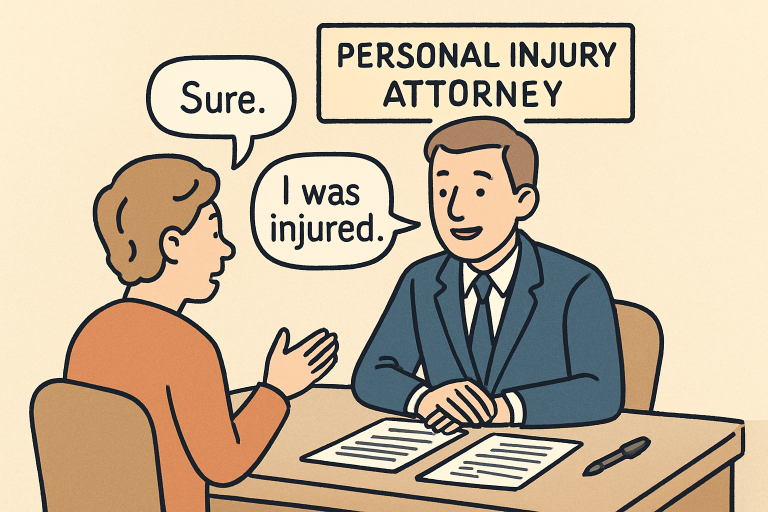
A personal injury attorney acts as your advocate from day one. Their primary focus is to safeguard your rights and negotiate on your behalf with insurers or at-fault parties. They assess your case, explain possible scenarios, and develop strategies for negotiations or lawsuits. Attorneys are well-versed in legal procedures and applicable statutes, giving you peace of mind as you recover.
Legal professionals coordinate investigations, handle correspondence, compile documentation, and work to maximize your financial compensation for medical expenses, lost income, property damage, and pain and suffering. With their support, accident victims are better positioned to navigate obstacles and resist pressure to accept inadequate settlements. For an overview of personal injury lawyer roles, you can consult this Forbes guide on personal injury lawyers.
When to Contact a Personal Injury Attorney
Time is a crucial factor in personal injury cases. Contact a personal injury attorney as soon as reasonably possible after an accident, ideally within days. Early engagement allows your attorney to begin gathering evidence, meeting filing deadlines, and advising you on statements or offers from insurers. Quick legal intervention also protects you from inadvertently waiving your rights or missing your chance to seek fair compensation.
Early legal support is critical if you suspect long-term injuries, face hospitalization, or have significant property loss. A proactive approach minimizes stress and improves your chances in both settlement negotiations and any potential court proceedings.
Choosing the Right Personal Injury Attorney
Not all attorneys have the same skills or approach. When searching for the proper personal injury representation, prioritize experience, reputation, and specialization. Review the attorney’s case results, look up client testimonials, and verify their standing with local legal associations. Communication is key; choose someone who explains the process clearly and answers your questions with transparency and patience.
Ideally, your attorney will have handled situations similar to yours, demonstrating both empathy and assertiveness in securing fair compensation for clients. The selection process should leave you feeling confident in their ability to handle both routine and unexpected challenges that may arise during your case.
Common Challenges in Personal Injury Cases
Personal injury cases are rarely straightforward. Insurance companies often seek to limit payouts by disputing injuries or liability. Gathering and presenting evidence that meets legal standards can be demanding, particularly when medical records, witness statements, or accident reconstructions are needed. Additionally, legal procedures must be meticulously followed, from claim filings to trial preparation.
With a resourceful attorney by your side, these challenges become manageable. Your lawyer can negotiate assertively, present compelling arguments, and advocate relentlessly for outcomes that support your recovery and future well-being.
Conclusion
The steps you take immediately after an accident shape the outcome of your personal injury case. Prioritize health and safety, seek prompt medical care, document every detail, and consult a qualified personal injury attorney. An experienced legal expert will help steer your case through complex negotiations, paperwork, and courtroom processes, always working to protect your interests and secure the compensation you deserve.