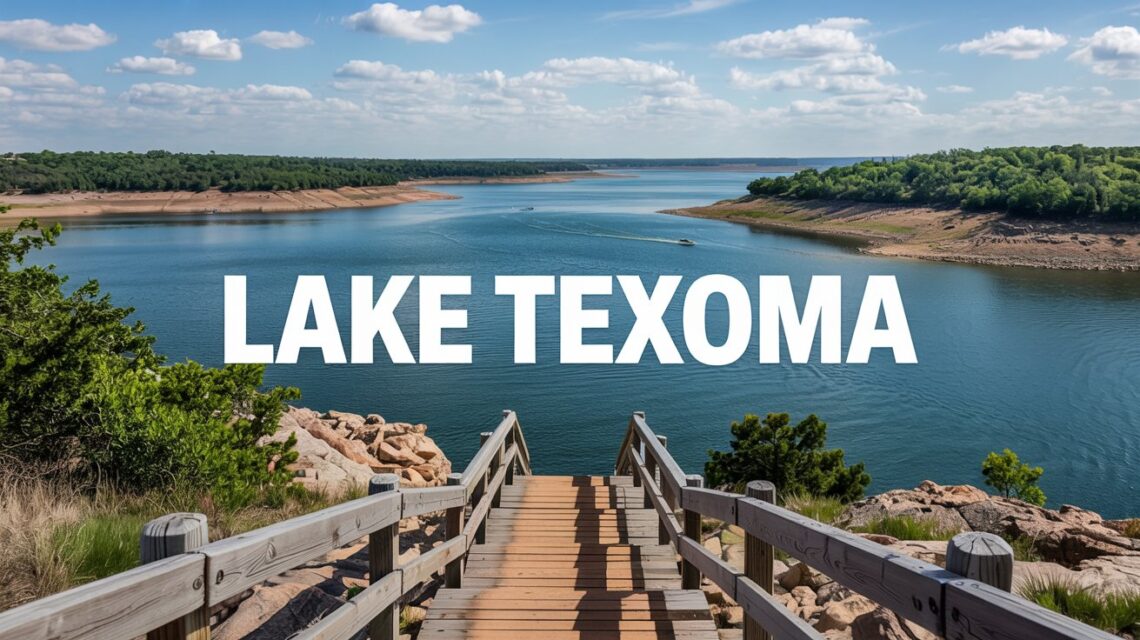
If you’ve ever searched for information about Lake Texoma, you might have wondered whether lake texoma should be capitalized. The answer is yes! Proper nouns, like this beautiful lake on the Texas-Oklahoma border, are always capitalized in writing. But Lake Texoma is much more than a name — it’s a destination full of adventure, relaxation, and natural beauty. From fishing and boating to staying in cozy cabins, there’s something here for everyone. In this guide, we’ll cover everything you need to know about Lake Texoma, including state parks, water levels, history, and fun facts.
| Full Name | Lake Texoma |
| Type | Man-made Reservoir |
| Location | Texas-Oklahoma Border |
| Size | 89,000 Acres |
| Max Depth | 70 Feet |
| Year Built | 1944 |
What Is Lake Texoma?
Lake Texoma is one of the largest reservoirs in the United States. It sits on the border of Texas and Oklahoma and attracts millions of visitors every year. Many wonder how big is Lake Texoma — it spans roughly 89,000 acres of water. It’s also quite deep, with areas reaching over 70 feet. Designed for flood control and recreation, it’s not naturally formed, so yes, is Lake Texoma man made? Absolutely! Constructed to provide water management and recreation, Lake Texoma has become a beloved travel spot.
Where Is Lake Texoma?
People often ask, where is Lake Texoma? The lake stretches across southern Oklahoma and northern Texas. Major towns nearby include Denison, TX, and Durant, OK. Its central location makes it easy for travelers from Dallas, Oklahoma City, and beyond to enjoy a weekend getaway. Its accessibility is one reason Lake Texoma has so many visitors annually.
Lake Texoma State Park
One of the best ways to enjoy the lake is through Lake Texoma State Park. The park offers hiking trails, picnic areas, swimming spots, and campgrounds. It’s ideal for families and nature lovers. You can rent boats or simply enjoy the serene views of the water. The park staff also provides helpful tips for safe fishing and wildlife observation, making it a fantastic spot for both relaxation and adventure.
Lake Texoma Cabins
If you want to stay overnight, Lake Texoma cabins are perfect. These cozy accommodations range from rustic cottages to modern cabins with full amenities. Many cabins offer waterfront views, making it easy to wake up to a sunrise over the lake. Staying in a cabin gives you full access to all recreational activities, from fishing to hiking, without feeling rushed.
Lake Texoma Water Level
Checking the Lake Texoma water level is essential for boaters and fishermen. Levels can fluctuate due to rainfall, drought, or flood control measures. Knowing the current water level ensures safe navigation and better fishing opportunities. Many websites and local authorities provide real-time updates, helping visitors plan the perfect trip.
Thousand Trails Lake Texoma
For those seeking an organized camping experience, Thousand Trails Lake Texoma is a popular choice. This resort-style campground offers full amenities, including swimming pools, organized activities, and rental cabins. It’s an excellent option for families, as everything is conveniently located near the lake’s main attractions.
Lake Texoma Fishing Report
Fishing enthusiasts always check the Lake Texoma fishing report before heading out. The lake is home to striped bass, catfish, crappie, and more. Peak fishing seasons vary, but early mornings and late afternoons are usually best. Regularly updated fishing reports help anglers catch the biggest fish while avoiding crowded spots.
How Deep Is Lake Texoma?
Many wonder, how deep is Lake Texoma. While the average depth is around 25 feet, some areas can reach 70 feet. Depth affects fishing, boating, and swimming, so it’s wise to know the lake’s varying depths before planning water activities.
When Was Lake Texoma Built?
For history buffs, when was Lake Texoma built? Construction began in 1938, and the lake was completed in 1944. It was designed for flood control along the Red River and quickly became a recreation hotspot. Today, Lake Texoma’s mix of history and natural beauty attracts visitors year-round.
How Many Acres Is Lake Texoma?
How many acres is Lake Texoma? The lake covers approximately 89,000 acres, making it one of the largest reservoirs in the U.S. Its size allows for diverse activities like boating, fishing, and camping without feeling overcrowded.
Are There Alligators in Lake Texoma?
Some visitors worry about wildlife and ask, are there alligators in Lake Texoma? While alligators have been spotted, they are rare. Most of the lake’s wildlife is safe for humans, including fish, birds, and deer. Exercise basic caution near water edges, especially if traveling with children.
How Big Is Lake Texoma?
For perspective, how big is Lake Texoma compared to other lakes? With nearly 90,000 acres, it’s massive but manageable for weekend trips. Its wide-open water and numerous coves make it perfect for boating, kayaking, and fishing adventures.
Conclusion
Now you know why lake texoma should be capitalized and why it deserves respect as one of the premier destinations in Texas and Oklahoma. From cabins and state parks to fishing reports and water-level tips, Lake Texoma has something for everyone. Whether you’re a first-time visitor or a regular, planning your trip with current information ensures a fun and safe experience. Next time you write about it, remember — it’s Lake Texoma, capitalized and celebrated!
FAQs
1. Is Lake Texoma man-made?
Yes, Lake Texoma is a reservoir created in 1944 for flood control and recreation.
2. Where is Lake Texoma located?
It straddles the Texas-Oklahoma border, near towns like Denison, TX, and Durant, OK.
3. How deep is Lake Texoma?
The lake has an average depth of 25 feet, with deeper areas reaching 70 feet.
4. Are there cabins at Lake Texoma?
Yes, you can stay in Lake Texoma cabins ranging from rustic cottages to modern, waterfront lodges.
5. Are there alligators in Lake Texoma?
Alligators are rare, but basic water safety is advised, especially for children.
6. How many acres is Lake Texoma?
The lake covers about 89,000 acres, making it one of the largest reservoirs in the U.S.
Also Read More About This Post: Lake Texoma Should Be Capitalized