EducationBeing is more than just attending school or reading books. It’s about embracing knowledge, developing skills, and continuously growing as a person. In today’s fast-paced world, learning never stops. From understanding new technologies to improving emotional intelligence, EducationBeing helps individuals adapt, grow, and thrive. This article dives deep into the concept of EducationBeing, practical tips, and insights for applying it in daily life. Whether you are a student, professional, or lifelong learner, this guide will inspire you to unlock your full potential.
What is EducationBeing?
EducationBeing is the holistic approach to learning that goes beyond academic achievements. It focuses on self-awareness, emotional growth, and real-world skills. Unlike traditional education, EducationBeing emphasizes understanding, applying knowledge, and fostering curiosity. This approach ensures learners are well-rounded, confident, and prepared for life challenges. By integrating personal experiences and continuous learning, EducationBeing nurtures both the mind and soul.
The Importance of EducationBeing in Modern Life
In today’s digital age, skills become outdated quickly. EducationBeing equips people with the ability to adapt to new situations and technologies. It helps in building critical thinking, creativity, and emotional resilience. More than just academic knowledge, EducationBeing fosters social awareness and ethical decision-making. People who practice EducationBeing tend to perform better in careers, relationships, and personal growth because they embrace lifelong learning and reflection.
Core Principles of EducationBeing
- Curiosity: Asking questions and seeking answers fuels knowledge.
- Consistency: Regular learning habits build strong understanding.
- Application: Knowledge is best retained when applied in real life.
- Reflection: Self-assessment helps identify growth areas and improve.
- Empathy: Understanding others’ perspectives enhances personal and social development.
These principles ensure EducationBeing is not just theoretical but actionable.
How to Practice EducationBeing Daily
Integrating EducationBeing into your routine doesn’t have to be complicated. Start with simple steps:
- Read books or articles related to your interests.
- Take online courses or attend workshops.
- Reflect on your daily experiences and lessons learned.
- Discuss ideas with friends or mentors to gain new perspectives.
Even small steps, when consistent, build lifelong learning habits.
EducationBeing and Career Growth
EducationBeing plays a crucial role in professional success. Employers value individuals who can learn quickly, adapt, and innovate. By practicing EducationBeing, you develop skills like problem-solving, leadership, and teamwork. These qualities make you stand out in competitive job markets. Continuous learning also opens opportunities for promotions, career shifts, or entrepreneurship. EducationBeing ensures that your career journey is not just about earning but about meaningful growth.
The Role of Technology in EducationBeing
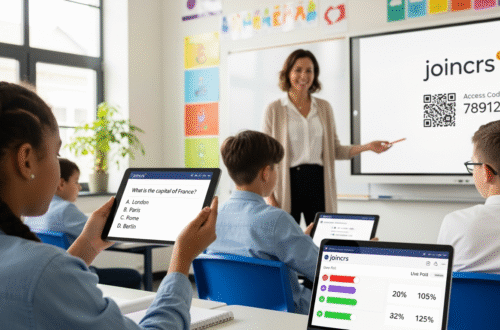
Technology has transformed learning possibilities. Online platforms, virtual classrooms, and AI-based tools allow access to knowledge anytime, anywhere. EducationBeing thrives in this digital age because it encourages exploring new resources, experimenting, and staying updated. Whether it’s learning a new language, coding, or personal development, technology provides practical tools to implement EducationBeing effectively.
Personal Growth Through EducationBeing
EducationBeing is deeply tied to personal growth. Learning new skills boosts confidence, improves mental health, and expands social circles. By exploring different subjects, hobbies, or cultures, you gain broader perspectives. EducationBeing also helps in developing resilience, emotional intelligence, and a sense of purpose. Personal growth becomes an ongoing journey rather than a final destination.
EducationBeing in Schools and Communities
Schools and communities play a vital role in nurturing EducationBeing. Schools that focus on creativity, critical thinking, and emotional intelligence provide students with holistic development. Communities that encourage mentorship, volunteering, and skill-sharing foster lifelong learning. By creating environments that value curiosity and knowledge, EducationBeing becomes accessible and impactful for everyone.
Challenges in Practicing EducationBeing
While EducationBeing is valuable, it comes with challenges:
- Information overload in the digital age.
- Lack of motivation or guidance.
- Balancing learning with work and personal life.
- Limited access to resources in some regions.
Overcoming these challenges requires discipline, support systems, and using technology wisely.
Real-Life Examples of EducationBeing
- Steve Jobs: Constantly learning, exploring, and innovating in technology.
- Malala Yousafzai: Advocated for education and personal growth against all odds.
- Everyday Learners: People who pursue hobbies, online courses, or self-improvement daily demonstrate EducationBeing.
These examples show that EducationBeing is practical, inspiring, and achievable for everyone.
EducationBeing Biography Table
| Attribute | Description |
| Name | EducationBeing |
| Type | Holistic learning approach |
| Focus Areas | Knowledge, personal growth, emotional intelligence, practical skills |
| Key Principles | Curiosity, consistency, application, reflection, empathy |
| Benefits | Career growth, personal development, resilience, creativity |
| Tools & Methods | Books, online courses, mentorship, workshops, technology |
| Target Audience | Students, professionals, lifelong learners |
| Real-Life Examples | Steve Jobs, Malala Yousafzai, everyday learners |
| Challenges | Information overload, motivation, resource access, time management |
| Goal | Promote continuous learning and holistic development |
Conclusion
EducationBeing is more than a concept; it’s a lifestyle. By integrating curiosity, reflection, and practical learning into daily life, you can unlock endless personal and professional opportunities. Start small, stay consistent, and embrace lifelong learning. Your growth journey begins today, and EducationBeing ensures it’s meaningful, enjoyable, and impactful.
FAQs
1. What is EducationBeing?
EducationBeing is a holistic approach to learning that focuses on personal growth, knowledge, and practical skills.
2. How can I practice EducationBeing daily?
You can read, attend courses, reflect on experiences, and discuss ideas with others consistently.
3. Why is EducationBeing important for careers?
It develops problem-solving, leadership, and adaptability, which are highly valued in professional environments.
4. Can technology support EducationBeing?
Yes, online courses, virtual classrooms, and AI tools make learning accessible and practical.
5. What challenges might I face in EducationBeing?
Challenges include information overload, motivation issues, and limited resources.
6. Who can benefit from EducationBeing?
Students, professionals, and lifelong learners all benefit from applying EducationBeing principles.
Also Read More about This Post: EducationBeing