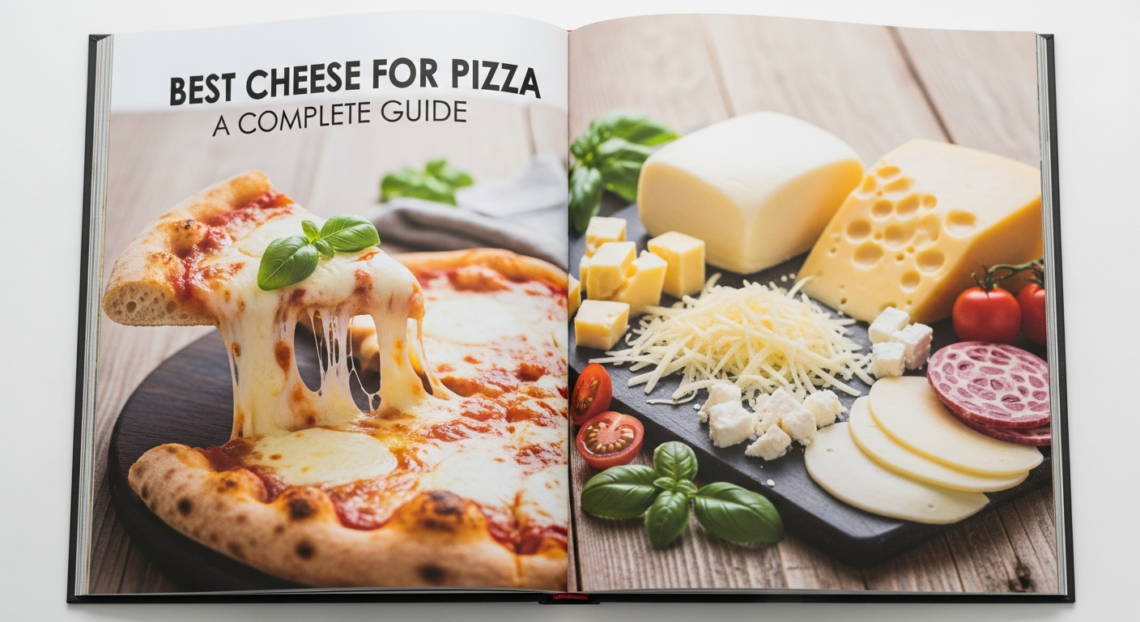
Pizza is one of the most beloved dishes worldwide. While the crust, sauce, and toppings play an essential role, cheese is the star of the show. The right cheese can elevate your pizza from ordinary to extraordinary. Choosing the best cheese for pizza depends on flavor, texture, melting quality, and personal preference. In this article, we will explore the top cheeses used in pizza, their unique characteristics, and how to use them for a perfect slice.
Mozzarella Cheese
Mozzarella is the classic choice for pizza and is often considered the gold standard. It has a mild, creamy flavor and melts beautifully, creating that signature stretchy, gooey texture pizza lovers crave. Mozzarella comes in different varieties, including fresh mozzarella, low-moisture mozzarella, and smoked mozzarella.
Fresh mozzarella has a soft texture and high moisture content. It works best for Neapolitan-style pizzas with thin, crispy crusts. Low-moisture mozzarella is firmer and has less water, making it ideal for baking longer in the oven without creating soggy pizza. Smoked mozzarella adds a subtle smoky flavor, giving your pizza a unique taste profile.
Mozzarella pairs well with a wide range of toppings, from simple margherita pizzas to more complex combinations with vegetables, meats, and herbs. Its versatility makes it a favorite among professional chefs and home cooks alike.
Cheddar Cheese
Cheddar cheese brings a sharp, tangy flavor that complements rich or meaty pizzas. While it doesn’t stretch as much as mozzarella, it melts well and adds depth to the overall taste. Cheddar works especially well when combined with mozzarella to provide a balance of gooey texture and strong flavor.
Mild cheddar is perfect for those who want a creamy, subtle taste, while aged cheddar offers a robust, complex flavor. Using cheddar on pizzas with barbecue chicken, bacon, or beef enhances the savoriness of the toppings. Cheddar can also be mixed with other cheeses like gouda or mozzarella for a unique flavor combination.
Parmesan Cheese
Parmesan is a hard, aged cheese known for its nutty, salty taste. Unlike mozzarella or cheddar, it doesn’t melt into a gooey texture but instead adds a sharp, savory flavor. Parmesan is often sprinkled over the pizza after baking or mixed into the dough or sauce for extra richness.
This cheese works exceptionally well with thin-crust pizzas and those with vegetables or Italian-style toppings. Its concentrated flavor makes even a small amount impactful. Combining parmesan with mozzarella or provolone creates a perfect harmony of taste and texture.
Provolone Cheese
Provolone is an Italian cheese that is semi-hard and offers a mild, smoky flavor. It melts well and stretches, making it a great alternative to mozzarella. Provolone comes in young and aged varieties. Young provolone is creamy and mild, ideal for classic pizza, while aged provolone has a sharper, more pronounced flavor that works well on gourmet pizzas.
This cheese pairs beautifully with Italian meats like pepperoni, salami, and prosciutto. Its unique flavor adds depth without overpowering other toppings, making it a versatile choice for pizza enthusiasts looking to experiment.
Gouda Cheese
Gouda cheese is famous for its creamy texture and slightly sweet, nutty flavor. When melted on pizza, it becomes smooth and slightly elastic, creating a luxurious mouthfeel. Gouda works particularly well with smoked or barbecue-style pizzas because its natural sweetness balances savory toppings.
Young gouda is soft and mild, perfect for melting, while aged gouda is firmer with a more intense flavor. Combining gouda with mozzarella or cheddar can give your pizza a rich, multi-dimensional taste. This cheese is ideal for adventurous home cooks looking to step away from traditional options.
Fontina Cheese
Fontina is an Italian cheese known for its creamy texture and mild, nutty flavor. It melts beautifully, making it excellent for pizzas with multiple layers of cheese. Fontina is particularly suitable for white pizzas or those with delicate toppings like mushrooms, spinach, or chicken.
Its buttery flavor complements mozzarella well, creating a rich, smooth texture. Fontina’s meltability also ensures even coverage across the pizza, avoiding clumps or uneven textures. For gourmet pizza creations, fontina can be a game-changer.
Ricotta Cheese
Ricotta cheese is soft, creamy, and slightly sweet. It doesn’t melt like mozzarella but instead provides a rich, luxurious texture that contrasts nicely with crispy crusts. Ricotta is often dolloped on top of pizzas, especially white pizzas, or blended with herbs and other cheeses for extra flavor.
Ricotta pairs wonderfully with spinach, roasted vegetables, and cured meats. Its mild flavor balances stronger cheeses like parmesan or cheddar, making it perfect for layered flavor profiles. Using ricotta on pizza adds a gourmet touch without overwhelming the palate.
Blue Cheese
Blue cheese is bold, tangy, and packed with strong flavors. It melts well but retains some of its crumbly texture, creating an intense taste experience. Blue cheese is best used sparingly or combined with milder cheeses like mozzarella to avoid overpowering the pizza.
This cheese works particularly well with toppings like caramelized onions, pears, walnuts, or buffalo chicken. Blue cheese is perfect for adventurous eaters who enjoy a punchy, distinctive flavor on their pizza.
Brie Cheese
Brie is a soft, creamy cheese with a mild, buttery flavor. When baked, it becomes gooey and rich, making it perfect for gourmet pizzas. Brie pairs beautifully with fruits like figs, pears, and apples, as well as nuts and honey, offering a sweet-savory combination.
Brie is ideal for white pizzas or recipes where a softer cheese is desired. Its delicate flavor and creamy texture elevate any pizza into an elegant dish. Combining brie with mozzarella ensures the pizza has both stretchiness and creaminess.
Asiago Cheese
Asiago is an Italian cheese with a sharp, nutty flavor. It melts well and is often used in combination with other cheeses for pizza. Young Asiago is softer and milder, while aged Asiago is firmer with a stronger flavor.
Asiago pairs well with meats, vegetables, and herbs, adding complexity without overwhelming the dish. Sprinkling Asiago over mozzarella or provolone creates a layered flavor profile that is both rich and satisfying.
Conclusion
Choosing the best cheese for pizza depends on your taste preferences, the type of pizza you’re making, and how you want the cheese to melt and flavor your dish. While mozzarella remains the classic choice for its stretch and melt, cheeses like cheddar, gouda, fontina, and brie can add exciting flavors and textures. Combining cheeses can often create the most delicious results, allowing you to experiment and find your perfect pizza formula. By understanding the unique characteristics of each cheese, you can elevate your homemade or restaurant pizza experience to a new level.
FAQs
Which cheese melts the best on pizza?
Mozzarella melts the best due to its high moisture content and stretchiness, making it ideal for most pizza styles.
Can I mix different cheeses on pizza?
Yes, combining cheeses like mozzarella, cheddar, and parmesan can enhance flavor, texture, and meltability.
Is fresh mozzarella better than low-moisture mozzarella?
Fresh mozzarella is softer and creamier but has more water, which can make crust soggy. Low-moisture mozzarella is firmer and better for baking longer pizzas.
Which cheese is best for gourmet or white pizzas?
Cheeses like ricotta, brie, fontina, and goat cheese are perfect for gourmet or white pizzas due to their creamy textures and mild flavors.
Can I use hard cheeses like parmesan or asiago on pizza?
Yes, hard cheeses are usually added as a topping or blended with meltable cheeses to add sharp, nutty, or salty flavors without affecting the melt.